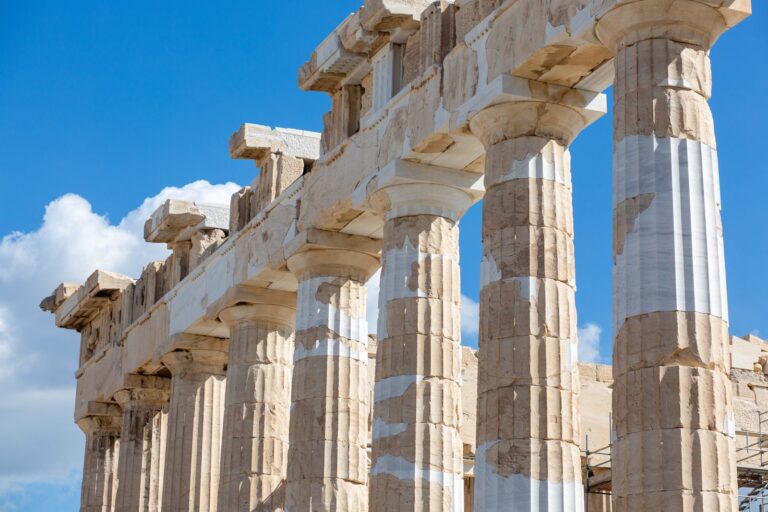
The unknown God

The unknown God

When Paul arrives in Athens, the center of philosophy, in Acts 17 (the word “wishers” in verse 18 literally means “philosophers“), he doesn’t bombard them with Bible texts, but appeals to their common sense, to wisdom. Philosophy means: love of wisdom. still unknownReligious as they were, they had a pedestal with the inscription: To the … Read more →

David, the prophet

The ecclesia in Psalms 8 and 110

Peter, in his famous speech on the day of Pentecost in Acts 2, demonstrates that Jesus of Nazareth is the Messiah and would rise from the dead. His listeners are Israelites (verses 22 and 36), and he therefore appeals to the Hebrew Scriptures. They had crucified and killed Jesus, but God raised Him: 24 God … Read more →

Akeldama

Akeldama

After Judas betrayed Jesus, he repented and returned the thirty pieces of silver he had received for his betrayal to the chief priests and elders of the people (Matt.27:1). Judas throws the pieces of silver into the temple and ends his life (Matt.27:5). Because it is ‘a price of blood’ (Matt. 27:6), the leaders cannot … Read more →

Two gospels?

Two gospels?

Paul explicitly calls himself an apostle of the Gentiles (=nations) a number of times. When it really comes down to it, Paul appeals to Caesar as a Roman, and therefore as a Gentile (Acts 25:11). This is in contrast to the twelve apostles who came from Israel and were also sent to the house of … Read more →