3. Parables: why Parables (2)?
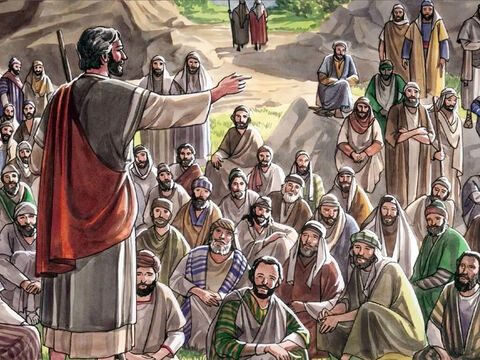
3. Parables: why Parables (2)?

The principle that parables speak about the mysteries of the Kingdom is only mentioned in the first mention of parables in Scripture. We find it, besides Matthew 13:11, only in the parallel texts in Mark 4:11 and Luke 8:10. After that, it is not repeated, although we do find other indications of this. For example, … Read more →

2. Parables: why parables (1)?

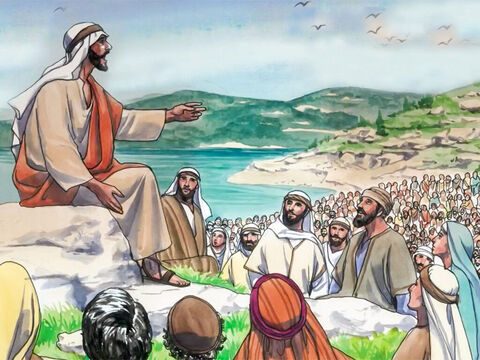
2. Parables: why parables (1)?

In the gospels we find many parables, spoken by the Lord Jesus. Before we discuss the parables one by one, it is good to first answer the question why the Lord spoke in parables. The common explanation is that He did this to clarify and explain things. But immediately with the first parable that we … Read more →

1. Parables: introduction

1. Parables: introduction

In the Bible we find many parables and some are very well known, such as the parable of the prodigal son (Luke 15). This parable is probably so well known because the story lends itself easily as an evangelistic message: someone who was lost returns to the Father. We can then give the story a … Read more →

The city of refuge

The city of refuge

In the books of Moses we find many laws and institutions that had a practical application under the old covenant, but that also, and above all, point forward to something better. The law is the introduction of a better hope (Heb.7:19). The things we find described in the law are therefore only an example and … Read more →

A key concept in the book of Genesis (2)

A key concept in the book of Genesis (2)

In the previous blog we saw that Genesis is composed of different parts by several writers, who are distinguished from each other by the concept of toledoth. Moses is the editor of Genesis. He brought the various writings together, made additions and probably wrote the last part himself. In this blog I would like to … Read more →

A key concept in the book of Genesis (1)

The translation of the first verses of Genesis

In Genesis we encounter a concept that, when carefully studied, turns out to be a key concept. It is the Hebrew toledoth (H8435). The expression occurs 13 times and runs like a common thread through the first book of the Bible. The word is derived from yalad (to give birth, to beget, H3205). In common … Read more →